
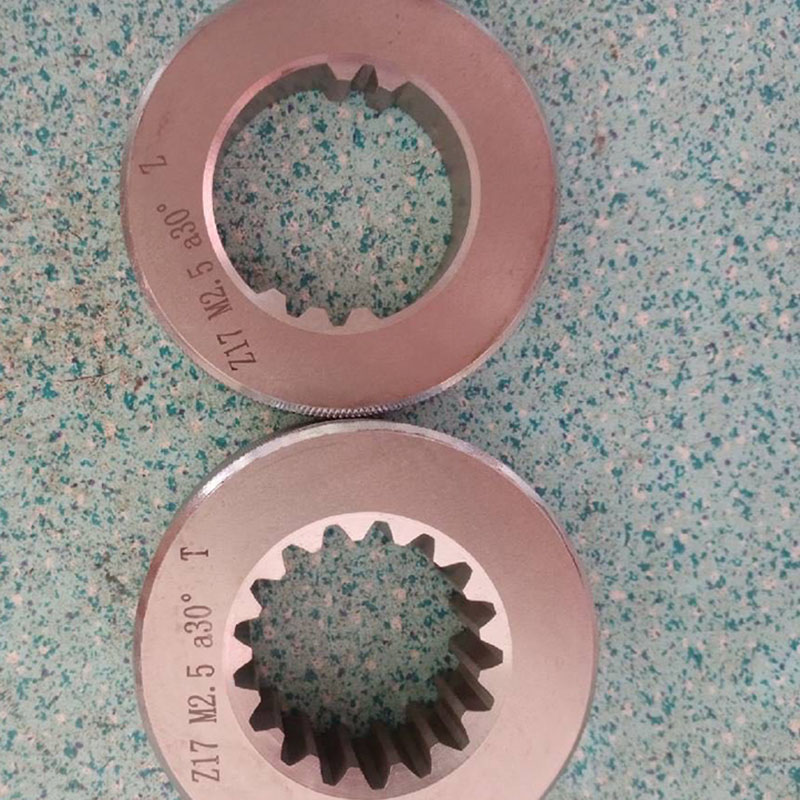
sandblasting engraving
Understanding Welding Fabrication A Comprehensive Overview Welding fabrication is a crucial process in various industries, playing a vital role in the construction and manufacturing of metal structures and components. It involves joining materials, typically metals or thermoplastics, through the application of heat, pressure, or both, resulting in a strong bond. This article explores the essential aspects of welding fabrication, including techniques, materials, applications, and safety considerations. Techniques of Welding Fabrication There are several techniques of welding, each suitable for specific applications. The most common methods include 1. Arc Welding This is one of the most widely used welding processes, which utilizes an electric arc to melt the base material and filler rod. Subtypes include Shielded Metal Arc Welding (SMAW), Gas Metal Arc Welding (GMAW or MIG), and Gas Tungsten Arc Welding (GTAW or TIG). 2. Oxy-Fuel Welding This method uses a flame produced by burning a mixture of oxygen and a fuel gas, usually acetylene. It is often used for cutting metals and is one of the older welding techniques. 3. Resistance Welding This process generates heat through electrical resistance, allowing materials to bond together. Spot welding and seam welding are examples of resistance welding. 4. Laser Welding This modern technique employs a laser beam to melt and fuse materials, offering precision and speed, making it ideal for complex and delicate components. Materials Used in Welding Fabrication welding fabrication table The choice of materials is pivotal in welding fabrication. Commonly welded materials include - Steel Various types of steel, including carbon steel, stainless steel, and alloy steel, are frequently welded due to their strength and versatility. - Aluminum Lightweight and corrosion-resistant, aluminum is commonly used in automotive and aerospace applications. - Plastics Certain thermoplastics can also be welded using specialized techniques, expanding the scope of welding fabrication beyond metals. Applications of Welding Fabrication Welding fabrication is utilized across a range of industries - Construction In building frameworks, bridges, and infrastructure, welding provides the strength and durability required for safety and longevity. - Automotive The automotive industry extensively uses welding for assembling car frames, bodies, and various components. - Manufacturing Many manufacturing processes rely on welded components for machinery, equipment, and tools. Safety Considerations Welding fabrication involves several risks, making safety a top priority. Key safety measures include - Personal Protective Equipment (PPE) Welders should wear appropriate PPE, including helmets with face shields, gloves, and flame-resistant clothing. - Ventilation Proper ventilation is necessary to avoid inhalation of harmful fumes and gases produced during welding. - Fire Hazards Since welding generates sparks, it is essential to maintain a clear work area and keep flammable materials safely stored away. In conclusion, welding fabrication is an integral part of many industries, requiring skilled professionals and a keen understanding of techniques, materials, and safety practices. With ongoing advancements in technology, including automation and robotics, the future of welding fabrication promises increased efficiency and precision, further enhancing its essential role in modern manufacturing and construction.
about
sandblasting engraving
Exploring the World of Large Vee Blocks A Machinist's Essential Tool In the realm of precision machining and metalworking, the significance of accurate measurement and alignment cannot be overstated. Central to this process is the use of Vee blocks—specifically large Vee blocks—that serve as indispensable tools for machinists and engineers alike. Known for their ability to securely hold round or cylindrical objects in place, these blocks play a pivotal role in ensuring the accuracy and quality of machining operations. Exploring the World of Large Vee Blocks A Machinist's Essential Tool One of the notable features of large Vee blocks is their versatility. They can be used in conjunction with various measuring devices, such as dial indicators and calipers, to ensure that parts are within desired specifications. Whether performing surface grinding, layout work, or machining tasks, the consistent and reliable support provided by Vee blocks helps to eliminate errors that could lead to costly reworks or part failures. Their use is not limited to one specific type of machinery; rather, they integrate seamlessly into a wide array of machining setups, including lathes, milling machines, and more. large vee blocks In addition to their functional benefits, large Vee blocks also contribute to the overall efficiency of machining processes. By providing a stable and secure platform for workpieces, they enable machinists to focus on their tasks without frequent adjustments or readjustments. This efficiency is particularly advantageous in production settings where time is of the essence, allowing for smoother workflows and increased output. Another important aspect of large Vee blocks is their role in ensuring safety during machining operations. Properly securing a workpiece using a Vee block can significantly reduce the risk of accidents related to movement or slips during machining. This added layer of safety creates a more conducive working environment where machinists can operate confidently, knowing that their workpieces are firmly held in place. Maintenance of large Vee blocks is relatively straightforward, requiring regular cleaning to remove debris and contaminants that can impact their effectiveness. Occasionally checking for wear and tear helps maintain their structural integrity and ensures they continue to perform at the highest standards. By investing in high-quality Vee blocks and adhering to maintenance practices, machinists can extend the lifespan of these tools and maximize their value. In conclusion, large Vee blocks are far more than mere accessories in the toolkit of a machinist; they are fundamental components that enhance precision, efficiency, and safety in various machining processes. Their unique design and adaptability make them a staple in workshops, and their continued use is a testament to their enduring importance in the world of metalworking. As industries evolve and technology advances, the relevance of large Vee blocks remains steadfast, proving that some tools are truly timeless in their application and significance.
-

High quality industrial productsagement

High quality industrial products
View Details -

Meet the diverse needs of customers

Meet the diverse needs of customers
View Details -

Strict quality control

Strict quality control
View Details -

Top raw materials

Top raw materials
View Details -

Trusted supplier

Trusted supplier
View Details
Our application

news and information
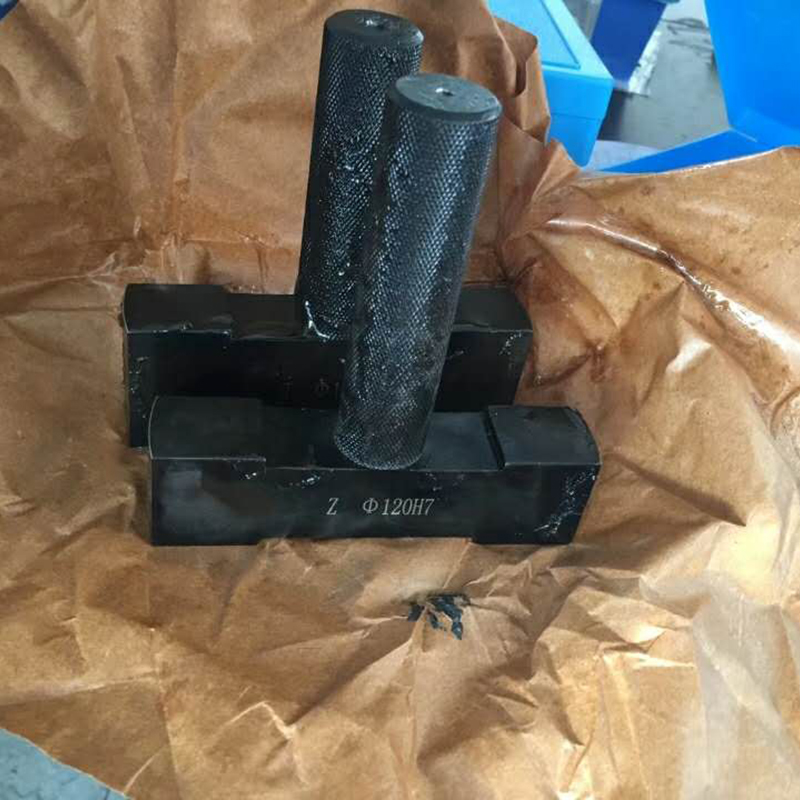
Využití paralelního pravítka v různých oborech a jeho výhody
Použití paralelních pravítek v praxi Paralelní pravítka jsou jedním z nejoblíbenějších nástrojů mezi

Vanne à soupape flanquée 4 pouces pour applications industrielles et domestiques
Vanne à opercule de 4 pouces avec brides une solution fiable pour les systèmes de conduits Les vann

Wholesale Suppliers for High-Quality Ball Valves in Various Sizes and Materials
ball valves wholesale .
 English